
You’re planning to paint your house’s exterior and you need to know the cost of painting the exterior of a house: just how much will it set you back? On average, homeowners spend between $4,000 and $8,000 for exterior painting, yet the cost varies widely depending on factors like your home’s square footage and the choice of paint. This guide will walk you through those cost factors, helping you to calculate a more precise estimate for your project.
Key Takeaways
- The cost to paint a house exterior is influenced by the home size, siding type and condition, painting area complexity, paint color, and contractor quality, with prices usually ranging between $2.00 and $6 per square foot.
- Labor costs range from $2 to $4 per square foot or $50 to $100 per hour, with professional painters offering advantages such as expertise, efficiency, and work warranties, while the quality and type of paint used can impact both cost and longevity of the job.
- Preparation work, including pressure washing and scraping off old paint, is essential for a smooth finish and can account for 60% of labor costs, while additional features like trim and doors can enhance curb appeal and impact overall budget.
Breaking Down Exterior House Painting Costs
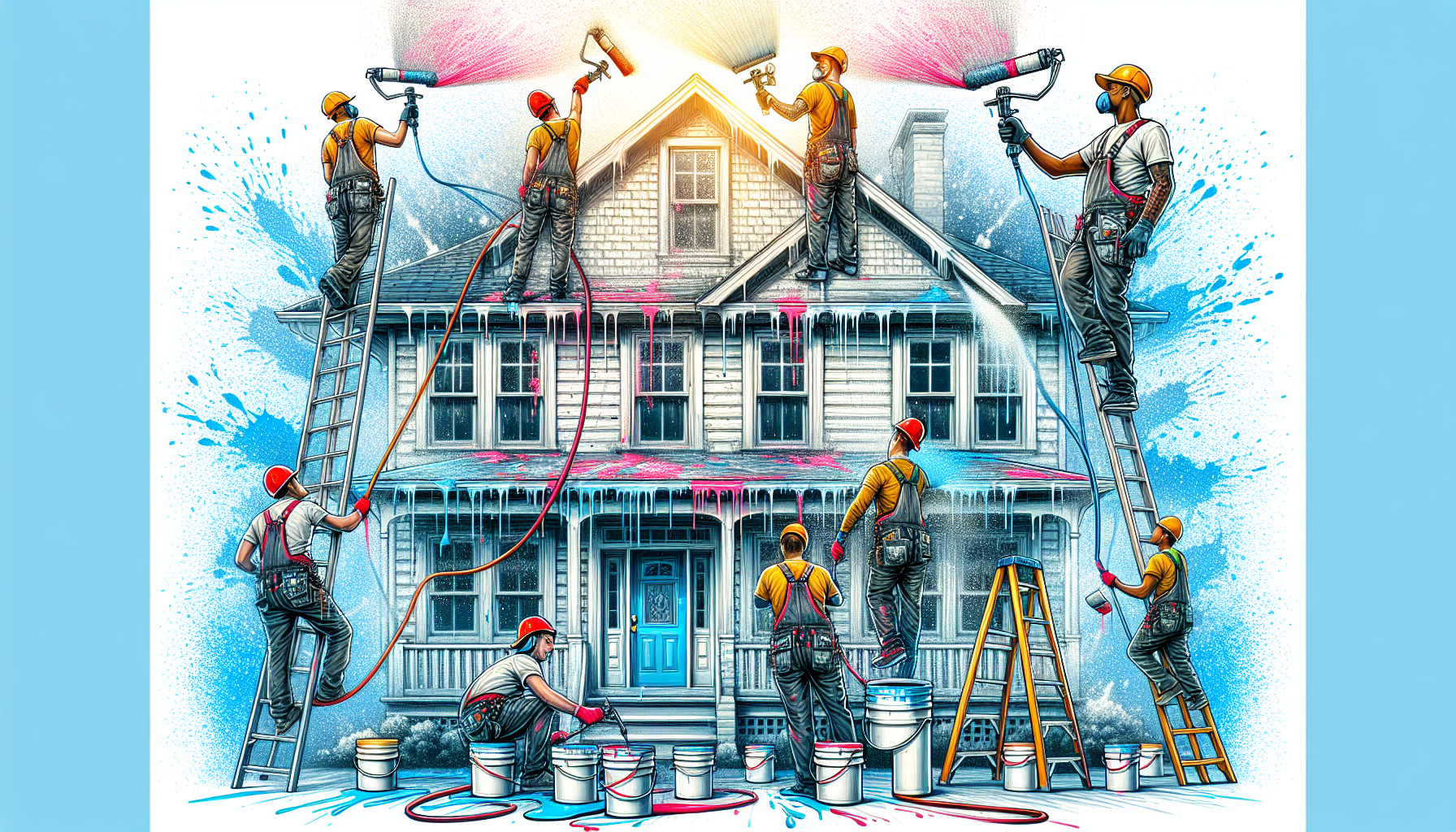
Imagining your home in a fresh hue is thrilling, yet comprehending the variables influencing your exterior painting costs remains crucial. The cost to paint a house exterior is influenced by several key factors, including:
- Home size
- Siding type and condition
- Complexity of the painting area
- Paint color
- Quality of the contractor
A thorough comprehension of these factors allows for an accurate prediction of overall expenses, enabling a judicious decision-making process for your exterior painting project.
Price Per Square Foot Explained
Getting a handle on the concept of cost per square foot ranks high among primary considerations when initiating an exterior painting project. This metric is often used to estimate the cost of painting projects and is based on the property’s total square footage. Generally, prices range between $2.00 and $6 per square foot.
So, if you’re wondering what it might cost to paint your house exterior, take the total square footage of your home and multiply it by this cost range.
Labor Expenses for Exterior Painting
Labor costs are another significant component of the average exterior painting cost, often ranging from $2 to 4 per square foot. Alternatively, professional painters might offer pricing based on time, with rates averaging $50 to $100 per hour.
The benefits of hiring a professional painting contractor versus doing it yourself are:
- Experience: Professionals have the knowledge and expertise to ensure a high-quality paint job.
- Efficiency: Professionals can complete the job more quickly and efficiently than a DIY project.
- Warranties: Many professional painting contractors offer warranties on their work, providing you with peace of mind and potential savings in the long run.
Hiring professionals can save you time, effort, and ensure a professional-looking paint job.
Selecting the Right Paint: Quality vs. Cost
Choosing paint is not merely about discovering the ideal shade. The quality of the paint plays a significant role in the overall exterior painting cost and can affect both the appearance and longevity of the paint job. Higher-quality paint can offer better coverage and longer-lasting durability, reducing the need for touch-ups or repainting.
While paint prices can range from $20 to $90 per gallon depending on the type and finish, investing in high-quality paint can save you money and maintenance efforts in the long run.
The Impact of Home Size and Design on Painting Prices
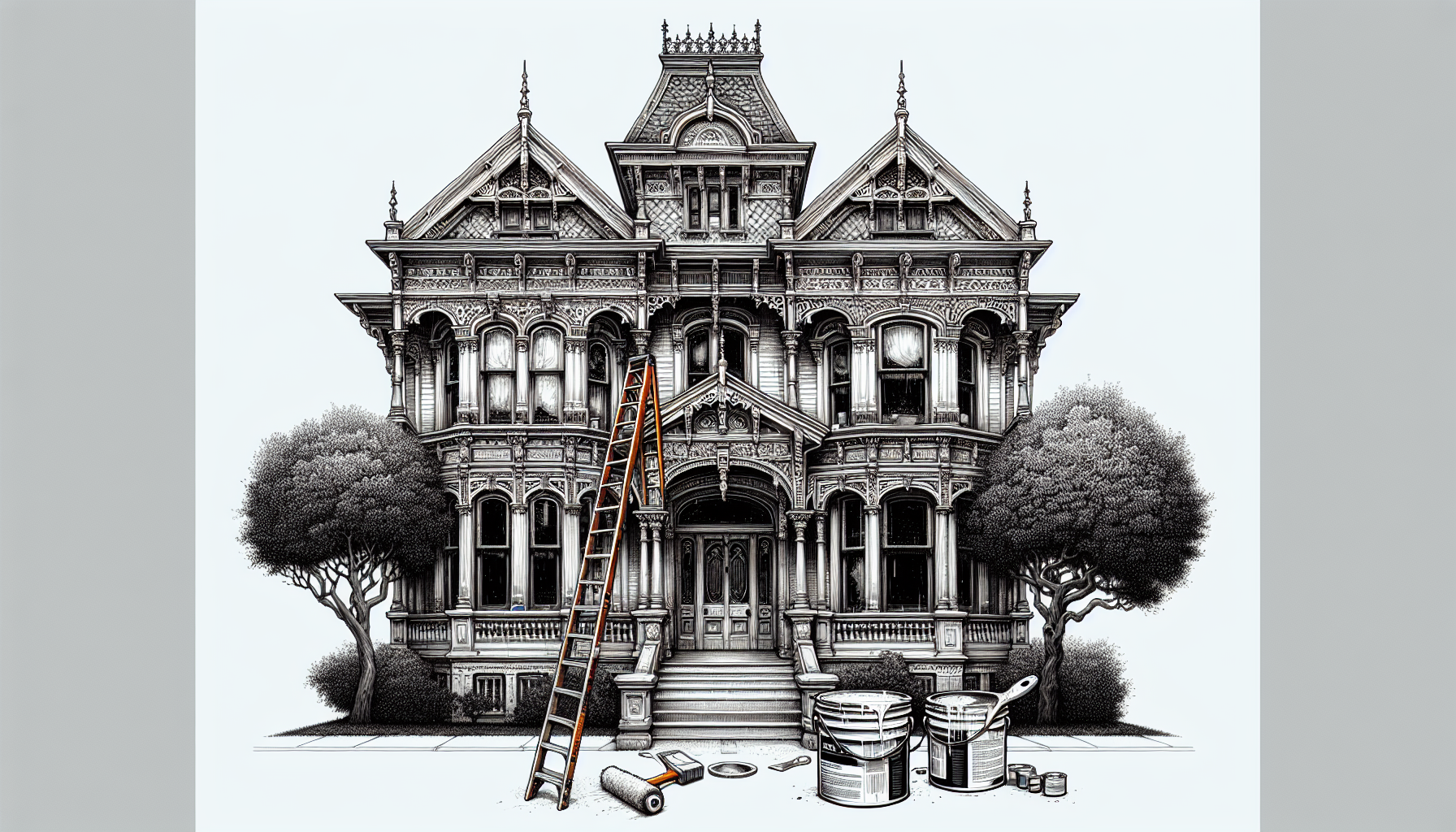
Your home’s size and design can significantly influence your exterior painting costs. Naturally, the larger your home, the more paint and labor it will require. Additionally, homes with multiple stories or complex architectural details may incur higher costs due to the added complexity and the extra labor required to reach higher or hard-to-access areas.
So, whether you live in a quaint cottage or a sprawling mansion, your home’s size and design will be key factors in determining your painting budget.
Cost Variation by House Size
Cost variations by house size fundamentally revolve around the total square footage. Painting the exterior of a single-story home typically costs between $3,988 and $6,852. This can vary based on factors such as the size of the home and the quality of paint used. If you own a two-story home, the cost can jump to between $7,889 to $12,583. Why the jump in price? Simply put, a bigger house means more surface area to cover, which translates into more paint and more hours of labor.
Additional Charges for Multi-Story Homes
Beyond the increase in square footage, multi-story homes typically introduce extra challenges influencing the overall painting expenses. For instance, reaching the top stories of a house may require specialized equipment such as ladders, scaffolding, or even lifts. These added complexities can make painting a two-story house up to 50% more expensive compared to a one-story house.
So if your home towers above the rest, be prepared for these extra costs.
Siding Materials and Their Influence on Painting Costs
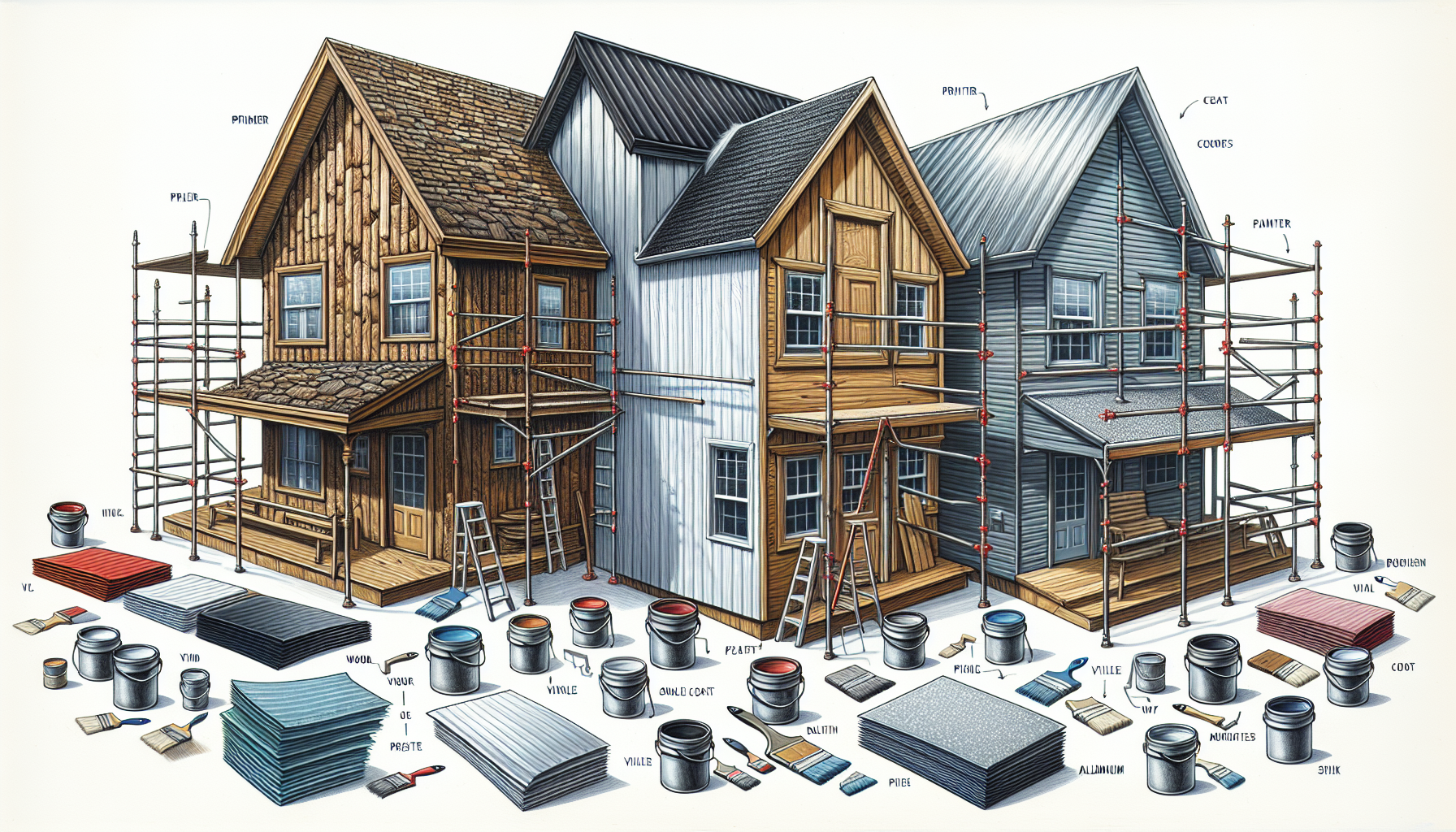
Your home’s siding type can considerably change your exterior painting costs. Different siding materials require varying degrees of preparation and specific types of paint for optimal adherence and longevity.
Whether your home features traditional wood siding, modern vinyl, or even metal, understanding how these materials affect your painting project can help you manage your budget effectively.
Wood Siding: Preparation and Paint Adherence
If your home features wood siding, you’ll need to factor in some additional preparation steps before diving into the painting process. Maintenance, including scraping off loose paint and sealing any exposed areas, is essential to ensure that your new paint adheres properly and lasts longer.
While this prep work may add to your initial costs, it’s a crucial step in achieving a beautiful and long-lasting finish.
Vinyl and Aluminum Siding Considerations
For homes with vinyl siding or metal or aluminum siding, there are unique considerations when it comes to painting. Here are some tips:
- Painting vinyl siding calls for a vinyl-safe color shade to prevent the siding from overheating and warping in the sun.
- Aluminum siding may require specific types of paint such as exterior acrylic latex.
- Regular repaintings may be necessary to maintain the look of aluminum siding.
Understanding these considerations can help you plan your budget and ensure you choose the right paint for your siding.
Prepping for a Fresh Coat: The Cost of Preparation Work
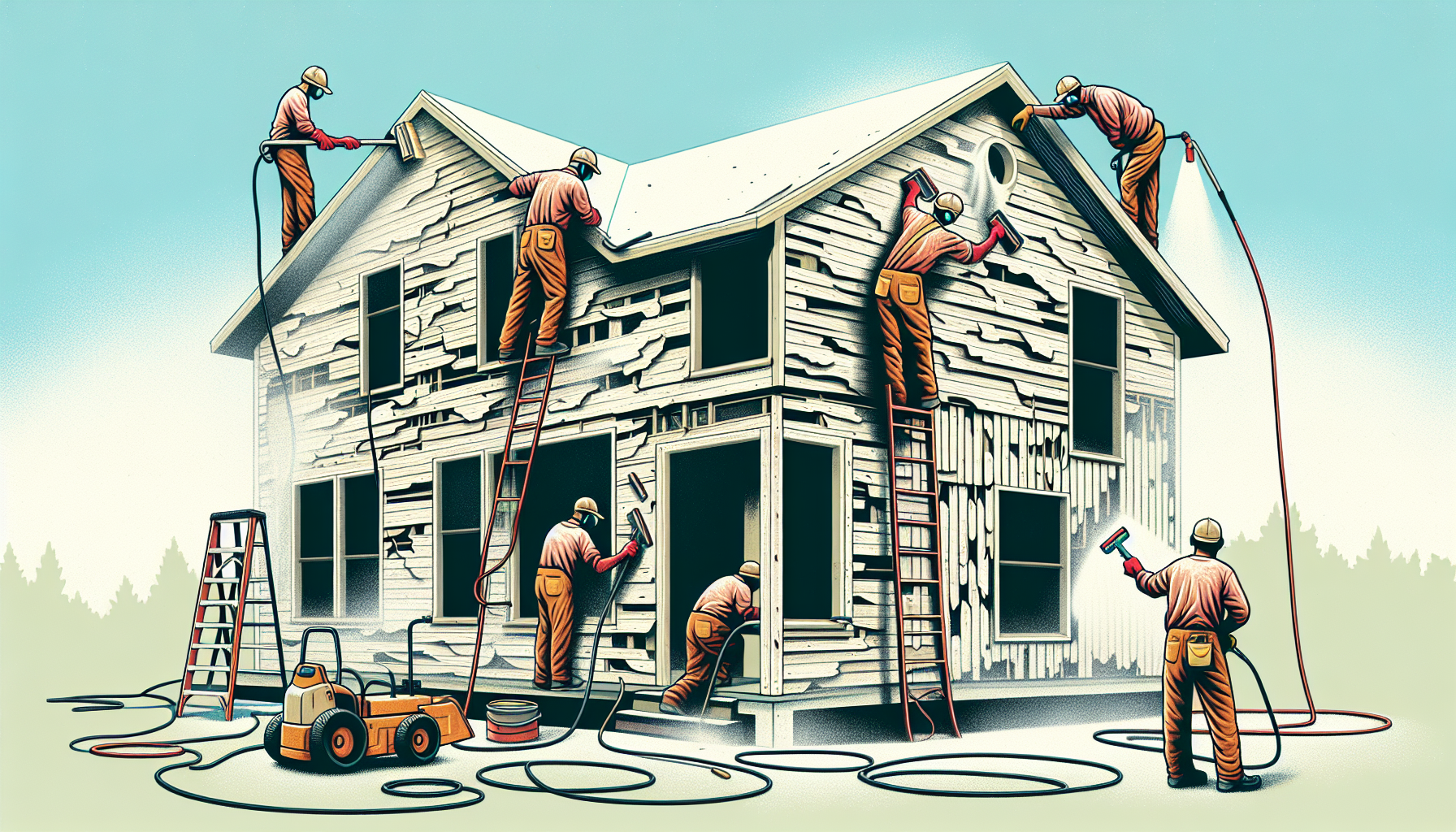
Adequate preparation is mandatory before you can begin to revamp your home with a new coat of paint. This is a crucial step that can make or break the success of your painting project. From pressure washing to scraping off loose paint and sealing bare wood, these tasks are essential for a smooth and long-lasting finish.
But keep in mind, this prep work can account for at least 60% of the labor costs, which can significantly impact your overall painting budget.
Removing Old Paint and Peeling Paint
Removing aged, deteriorating paint represents one of the most labor-demanding aspects of the preparation process. It’s crucial to scrape off any peeling or flaking paint to ensure a smooth and stable surface for your new paint. This process can cost between $0.50 and $2 per square foot, which can add up quickly, especially for larger homes.
But don’t be tempted to skip this step; proper preparation can greatly extend the life of your paint job and save you money in the long run.
Pressure Washing and Surface Cleaning
Another vital aspect of the preparation process is pressure washing. By thoroughly cleaning your home’s exterior, you can ensure the best possible adhesion for your new paint. The cost for pressure washing ranges from $240 to $400, depending on the size of your home and the level of grime.
While this may seem like an extra expense, it’s a crucial step that can greatly improve the final appearance and durability of your paint job.
Enhancing Curb Appeal: Additional Painting Projects
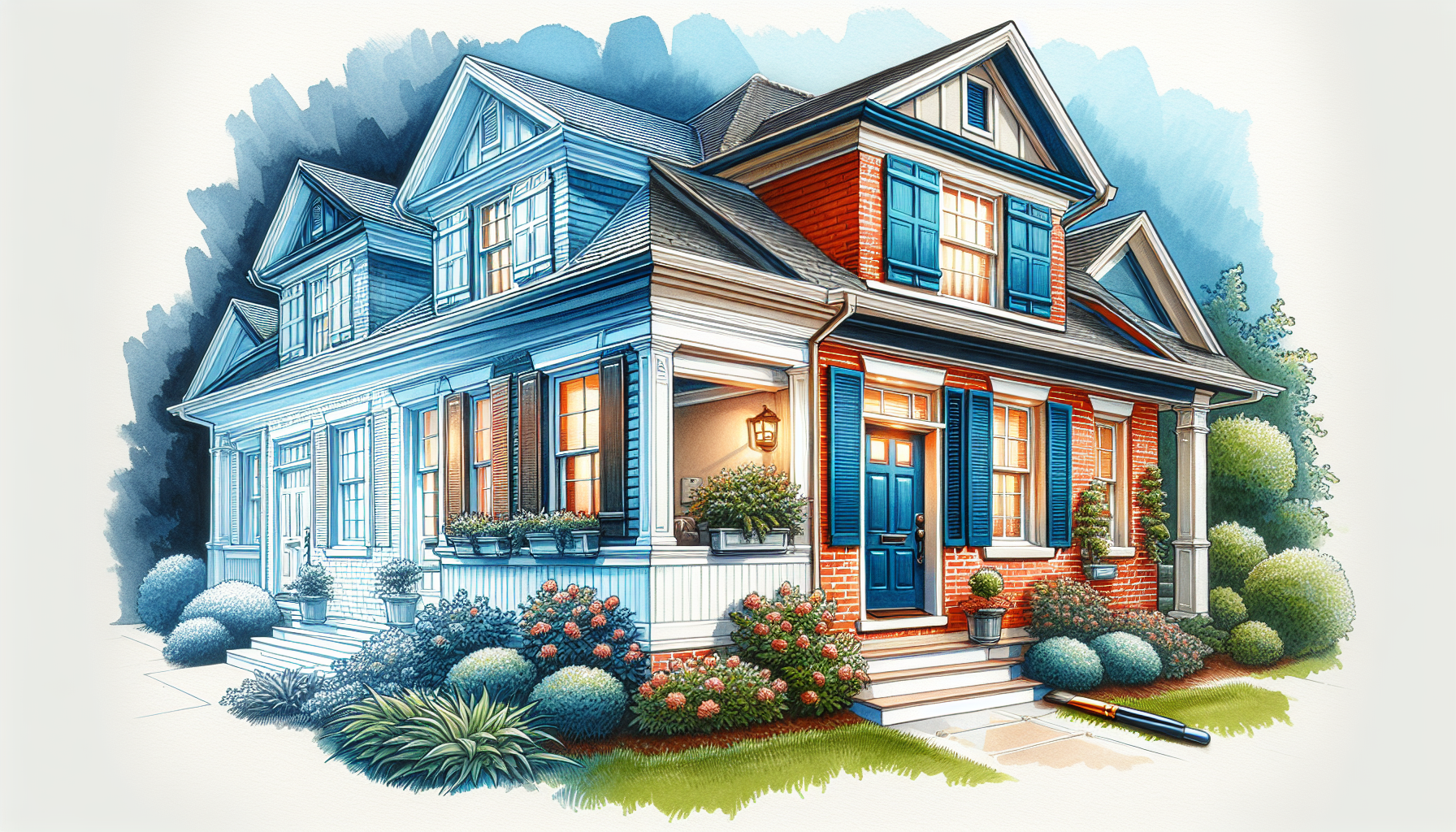
Apart from your home’s exterior, features such as trim, shutters, and doors could also be enhanced with a new paint coat. Not only can these smaller projects enhance the overall aesthetic of your home, but they can also significantly boost its curb appeal.
Whether you choose to add a pop of color to your front door or refresh the trim around your windows, these additional painting projects can make a big impact on your home’s appearance.
The Cost of Painting Trim and Exterior Doors
It’s crucial to take into account the expense of painting trim and doors when budgeting for these supplementary painting projects. On average, painting exterior trim can start from $3 to $7 per linear foot, while painting a door can range from $250 to $450. Keep in mind, these costs can vary depending on the size, material, and complexity of the features you’re painting.
Balancing Aesthetics and Budget
Striking a balance between crafting a visually pleasing exterior and effectively managing your budget is crucial. Fortunately, there are ways to achieve both. One cost-effective strategy is to use neutral base colors on large surfaces and add colorful accents to smaller features like the front door or window trim. This approach can give your home a sophisticated look without breaking the bank.
Navigating the Variables: Factors That Affect Painting Costs
After considering aspects like your home’s size, siding type, and additional painting tasks, you’ll still encounter more variables that could influence your exterior painting costs.
From your approach to maintenance to the regional weather conditions and even the brand of paint you choose, there are many factors that can impact the final cost of your painting project.
The Role of Climate and Weather Conditions
Local climate and weather conditions could significantly influence your exterior painting project. Extreme temperatures, high humidity, and heavy precipitation can all affect the type of exterior paint you need and how it’s applied. For instance, in areas with harsh winters or intense sun exposure, you may need to invest in specialty paints, such as exterior acrylic latex paint, designed to withstand these conditions.
While these paints can be more expensive, they can also provide better results and longer-lasting durability.
The Significance of Paint Brands and Types
The choice of paint brand and type could notably affect your project’s cost. While higher-quality brands may have a higher upfront cost, they often provide more durable and long-lasting results. This can reduce maintenance costs over time, leading to potential savings.
Additionally, some paint manufacturers offer products specifically formulated for different regional climates, which can improve the paint’s performance and potentially save you money in the long run.
DIY vs. Professional Exterior Painting: A Cost Comparison
If you’re contemplating a DIY approach to your exterior painting project, it could be a potential strategy for saving on labor costs. But before you reach for that paintbrush, it’s important to weigh the pros and cons. While a DIY approach can potentially save you money, it’s also more time-consuming and can pose safety risks.
On the other hand, hiring professional painters can offer quick, consistent, and warrantied work, providing peace of mind and potential long-term savings.
Assessing the True Cost of DIY
If you’re mulling over a DIY approach, comprehending the actual costs involved is crucial. Beyond the cost of paint, you’ll also need to factor in the cost of necessary equipment and supplies. For instance, you may need to rent a power washer or an extension ladder, and you’ll also need a variety of painting supplies. These costs can quickly add up, and you may find that the potential savings from DIY are not as significant as you initially thought.
Advantages of Hiring a Professional Painting Contractor
Contrastingly, employing a professional painting contractor brings multiple benefits. Firstly, professionals have the experience and expertise to deliver high-quality results. They can also complete the job more quickly and safely than you might be able to on your own.
Additionally, many professional painters offer warranties on their work, providing you with peace of mind and assurance of the quality of their work.
Tips for Reducing Your Exterior House Painting Costs
Considering the substantial expense tied to exterior house painting, you might be curious about potential savings strategies. The good news is, there are! Here are some strategies you can use to keep your painting costs in check:
- Shop around for the best paint prices
- Do some of the prep work yourself
- Use a primer to reduce the number of coats needed
- Consider using a paint sprayer for faster and more efficient application
- Hire a professional painter during the off-season for potential discounts
By implementing these strategies, you can save money on your exterior house painting project and effectively paint house exterior.
Timing Your Project for Savings
Correctly timing your painting project represents one of the most straightforward methods to save. Spring and fall are typically the best times to paint, as the weather is generally more conducive to outdoor work. Additionally, you may be able to find deals on paint and materials during these off-peak seasons, saving you money on your overall project costs.
How Many Coats Are Really Necessary?
Finally, take into account the number of paint coats your project necessitates. Most exterior painting projects will require at least two coats of paint for optimal coverage and durability. However, if your existing paint is in good condition, or if you’re painting a similar color, you may be able to get away with just one coat. This can significantly reduce your paint costs and save you a considerable amount of time.
Summary
In conclusion, painting your home’s exterior is a significant project that requires careful planning and budgeting. There are many factors to consider, from the size and design of your home to the type of siding and paint you choose. However, with careful planning and smart strategies, you can manage your painting costs and achieve a beautiful result that enhances your home’s curb appeal and value.
Frequently Asked Questions
How much does it cost to paint the entire outside of a house?
On average, it costs around $7000 to paint the entire outside of a house. However, the cost can range from $3,000 to $13,000 depending on various factors such as the size of the home and the type of siding material.
What factors affect the cost of painting a house exterior?
The cost of painting a house’s exterior is influenced by factors such as home size, siding type and condition, painting area complexity, paint color, and contractor quality. These elements can significantly impact the overall cost.
How much does it cost to paint a two-story house?
Painting a two-story house can cost between $7,889 and $12,583, depending on factors such as the house size, siding type, and paint quality.
How much does it cost to paint exterior trim and doors?
The cost of painting exterior trim can range from $2 to $6 per linear foot, while painting a door can cost between $250 and $500. These prices can vary based on the specific size, material, and complexity of the project.
Can I save money by painting my house myself?
While a DIY approach to painting your house may save money on labor costs, be sure to consider the added expenses of necessary equipment and supplies, as well as the potential safety risks involved. It’s important to weigh these factors against the potential savings of doing it yourself.